Propane and Your New York Home

Propane and Your New York Home

How Many Ways Are You Using This Versatile Fuel?
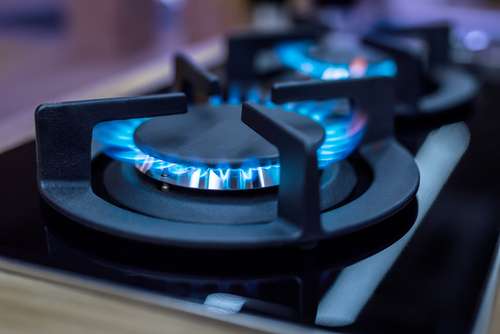
Propane isn’t just a fuel—it’s a game-changer for comfort, convenience, and savings in your New York home. From heating your entire house to powering your backyard grill, propane is one of the most versatile and efficient energy sources available.

Think beyond your furnace or boiler: propane can fuel fireplaces, clothes dryers, outdoor heaters, water heaters, generators, and more. Because propane burns hot and clean, it delivers efficiency ratings well into the 90% range. That means lower energy bills, less waste, and greater comfort all year long.

Let’s take a closer look at the many ways propane can benefit you and your home—inside and out.

Cozy Home Heating with Propane

New Yorkers have options when it comes to propane heating. Central furnaces, wall furnaces, and combo-heaters all deliver powerful warmth while fitting into almost any space.

Today’s propane furnaces use electronic ignition. That means lower fuel bills and no standing pilot lights wasting energy.

Propane boilers are just as impressive. Many models achieve 90%+ AFUE ratings, so nearly every gallon of fuel you pay for goes directly into heating your home instead of disappearing up the chimney. Plus, modern designs use outside air for combustion, improving efficiency while protecting your indoor air quality.

Endless Hot Water with Propane

Water heating makes up about 20% of your home’s energy costs, so efficiency matters. Propane fuels some of the best-performing water heaters on the market.

  • Traditional storage tank water heaters offer reliable hot water at a lower upfront cost.
  • Tankless water heaters provide hot water on demand, virtually never running out—perfect for big families or homes with multiple bathrooms.

Either way, propane helps you spend less while enjoying more comfort.

Propane Clothes Dryers: Faster, Smarter Laundry

Propane dryers don’t just save energy—they save you time. They dry clothes quickly and often come loaded with smart features like steam cycles (goodbye wrinkles!), drum lights, and easy-to-use LCD controls. Laundry day just gets a whole lot easier with propane.

Instant Ambiance with a Propane Fireplace

Want the warmth and charm of a fireplace without the hassle? Propane fireplaces deliver roaring flames at the push of a button—no logs, no ash, no waiting. Even better, many propane hearth products boast efficiency ratings of over 90%, so you can stay cozy while keeping emissions low and indoor air clean.

Cook Like a Pro with Propane

Ask any chef—gas cooking is the gold standard. With a propane stove or cooktop, you’ll enjoy precise temperature control and faster heat response.

Be Ready with a Propane Generator

In New York, power outages can strike at any time of year. A whole-house propane generator keeps your home running without missing a beat—heating, cooling, refrigeration, lighting, security systems, medical equipment, sump pumps, and more.

Propane in the Backyard

Propane’s benefits don’t stop at the back door. Transform your yard with:

  • Patio heaters for chilly evenings
  • Pool heaters for longer swim seasons
  • Firepits and outdoor fireplaces for ambiance
  • Outdoor lighting for charm and safety
  • And of course, propane grills, whether portable or built-in—make every cookout cleaner and faster.

Save with NY Propane Rebates

Thinking about upgrading your home with propane appliances? Now’s the time. You can lock in rebates on new propane equipment, helping you save right away.

Just remember safe installation matters. Always hire a licensed propane technician. Certified professionals are trained through the Certified Employee Training Program (CETP) and can ensure your system meets safety standards. It’s important to note you can only take advantage of available rebates if your installation is inspected for safety with a Gas Check®.

Please reach out to your New York propane company for advice.
Tips for Your Propane Water Heater

Tips for Your Propane Water Heater

Extend Water Heater Life with Maintenance

We don’t have to tell you that a water heater that works properly plays a significant role in your home’s overall comfort and energy efficiency. An inefficient, malfunctioning water heater can lead to higher energy bills and decreased performance, affecting your wallet and your peace of mind.
Bottom line: keeping your home’s water heater in good condition and running properly is essential.

Now that we’ve reminded you what an important role a properly functioning water heater plays in your comfort, let’s look at the reasons why a propane water heater is such a smart investment.

Propane Water Heater Benefits

When it comes to heating water, New York homeowners have multiple options. Each has its advantages, but propane water heaters often stand out for efficiency.

Propane water heaters typically heat water quickly. This means less waiting for hot water and more immediate comfort. Propane water heaters are known for their energy efficiency. They can save you money on your energy bills by using less fuel to heat water. This efficiency is not only good for your wallet but also beneficial for the environment.

How Long Does a Water Heater Last?

The life span of the most common water heater—units with a storage tank—can vary greatly, anywhere from 7 to 13 years. How long your water storage tank lasts will depend on such factors as:

  • the temperature of the water you set for the tank
  • the volume of water used
  • the overall quality of water heater model
  • water quality (amount of mineral content)

Note: the overall quality of water in New York State is considered “moderately hard.”

To head off any problems, especially if you have hard water, it’s a wise idea to have an experienced service technician flush out your hot water storage tank once a year. This procedure will remove sediment that has accumulated at the bottom of the tank. This sediment is caused by the build-up of minerals. The technician can also check the condition of the anode rod, which generally lasts from 3–5 years.

What an Anode Rod Does

Tank water heaters have multiple parts and components, including a long metal anode rod, which extends the life of your water heater by preventing corrosion from building up inside your tank. This is the unsung “hero” of your water heater.

Usually made of magnesium or aluminum, the anode rod does its job through a process called electrolysis. The metals in the anode rod attract ions that normally would cause rust in iron and steel. But instead, these ions latch on to the anode rod and as a result cause it to degrade over time. Without the anode rod, your water heater could rust out in just a couple of years! That’s why it’s so important to replace the anode rod after it degrades.

Types of Propane Water Heaters

The most common type of propane water heater is a unit that has a dedicated burner inside to heat water that is stored in a tank. As you use the water in the tank, the supply of hot water is constantly replenished.

However, more New York homeowners are opting to install a tankless propane water heater when it’s time to replace their direct-fired unit. (If you have a tankless water heater, you do not have to worry about getting the anode rod checked because it doesn’t need one).

A tankless water heater needs less space in the home and provides a virtually endless supply of hot water on demand. Tankless water heaters are also more energy-efficient and have a longer life than storage tank water heaters.

As you consider your water heating requirements, or if you need some help figuring out what’s most important, get in touch with your New York propane service company. They’ll be glad to walk you through the process and help you get a better understanding of your household’s hot water needs. They can also tell you all about current New York rebates that will help you save money on a propane water heater as well as other propane heating equipment.

How Much Propane Does a Tankless Water Heater Use?

How Much Propane Does a Tankless Water Heater Use?

Comparing Usage with Other Propane Appliances

If you’re looking to replace your home’s water heater, the best time to do it is before your water heater fails, which will force you into “panic-buying” a replacement system quickly.
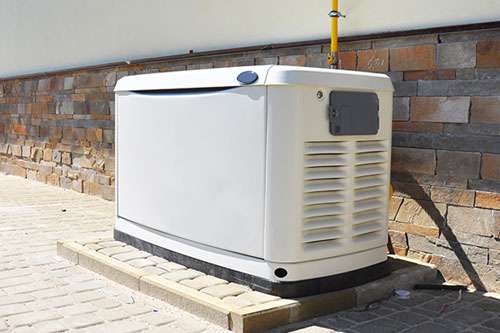
When you have the time to shop around, you’ll discover the great value and convenience of propane tankless water heaters. These types of units offer advantages over conventional storage tank water heaters.

Tankless Water Heater and Propane Usage

One question that New Yorkers commonly ask is: how much propane does a propane tankless water heater use? The short answer to that question is that a typical propane tankless water heater producing 40,000 BTU/hour will consume about 1.5 gallons of propane per day. Here’s the explanation behind this calculation.

First, because we know how much heat energy is in a gallon of propane– one gallon of propane equals 91,452 Btus–we can make estimates about how much the average homeowner will use.

However, the amount of propane your own appliances will use—including your propane tankless water heater– depends on factors ranging from the size and efficiency of each appliance to how well it was matched to your space, as well as the quality of the installation and the frequency of maintenance.

Propane Tankless Water Heater Savings

By heating water only when you need it, ENERGY STAR certified tankless water heaters save a family of four about $95 per year, or $1,800 over its lifetime, on gas bills compared to a standard gas storage model.

Tankless water heaters also have a life expectancy of 20 years, much longer than any conventional tank-type water heater. And with a tankless model, the risk of tank leaks and water damage is a thing of the past.

According to the U.S. Department of Energy, in homes that use 41 gallons or less of hot water daily, on-demand tankless water heaters can be 24%–34% more energy efficient than conventional storage tank water heaters. They can be 8%–14% more energy efficient for homes that use a lot of hot water — around 86 gallons per day.

What Size Tankless Water Heater Is Best for My Home?

Unlike a traditional water heater, there is no hot water recovery rate with a tankless system. That’s because there is no tank of hot water to replenish. Instead, there is a flow rate. Your New York propane company will determine what product is best for you by looking at the temperature of the water coming into the unit and the peak flow demand for your home (how much hot water you would need from the various hot water products in your home).

Your propane company can then choose the best water heater for your home’s peak needs. Once this tankless water heater is in place, you can enjoy virtually endless hot water. You won’t need to worry about getting a cold shower because the washing machine has just turned on in the laundry room.

How Much Propane Do My Other Gas Appliances Use?

Now that you know tankless water heaters on average use 1.5 gallons of propane per day, you may be wondering how your other propane appliances compare. The following estimates below should give you an idea of what each propane appliance typically uses to do its job.

Please note that these appliance measurements are expressed as BTU per hour. This is a way to show a measurement of deliverable power applicable to each propane gas appliance. (Think of it like the horsepower rating of a car). Read more about BTU per hour.

  • Fireplace with ceramic logs – 26,000 BTU/hour: 1 gallon / 3 hours
  • Gas cooktop/range – 65,000 BTU/hour: 5 to 10 gallons / month
  • Gas clothes dryer – 35,000 BTU/hour: less than 1 gallon / day

NY Rebates for Propane Water Heaters

As you consider your water heating requirements, or if you need help figuring out what’s most important, get in touch with your New York propane service company. They’ll be glad to walk you through the process and help you get a better understanding of your household’s hot water needs. They can also tell you all about current New York rebates that will help you save money on a propane water heater as well as other propane heating equipment.

It’s important to note that when you want to install propane-powered equipment, it’s essential that you bring in a licensed technician. Propane equipment is extremely safe when installed properly. But as with all energy sources, improper installation can be dangerous. Certified propane technicians have the training, experience, and tools to do the job quickly, correctly, and safely.

This is largely because of the Certified Employee Training Program (CETP), which is run under the direction of the Propane Education & Research Council. What’s more, you can only take advantage of available equipment rebates if your installation is inspected for safety with a Gas Check®.

Please speak to your propane provider about this inspection.

How Does a Propane Backup Generator Work?

How Does a Propane Backup Generator Work?

Understanding Generator Size and Capacity

Nearly 34 million, or 1 in 4 U.S. households across the country, reported they were completely without power at least once in the 12 months before they were interviewed for the U.S. Census Bureau’s 2023 American Housing Survey.

Of these households, about 70%, or 23.6 million, reported at least one outage that lasted six hours or more. Main reasons for a power outage to occur include:

  • Natural causes like severe weather and falling trees.
  • Human errors, such as systems malfunctions, poor maintenance and car accidents involving electric power infrastructure.
  • Grid overload issues, such as high demand for electric power during heat waves.

Propane Generators Keep Your Power On

Whole-house propane generators have grown in use because they ensure your sump pump, home security systems, heating and cooling equipment and any needed medical devices will continue to run in case of a prolonged electrical power stoppage. A smaller, portable generator is much more limited in ability compared to a whole-house model.

However, people may wonder: “how do I pick the right generator system for my home?” Another common question is: “how much propane will my generator use?” If you’ve been considering buying a whole-house generator for your New York home, here is vital information for you.

How Does a Propane Generator Work?

A whole-house propane generator is a permanent fixture found outside your home. It’s connected to your home’s electrical system with its own fuel source. Basically, it looks like an outdoor central air conditioning unit with a cap on it.

The generator is designed to start automatically when you lose power—usually only 10–30 seconds after an outage. After your power is restored, the generator will shut down. All this happens whether you’re at home or away.

Benefits of a Whole House Propane Generator

The biggest benefit to a whole house generator, of course, is that you’ll never be without power again! Being able to switch between the grid and generator power is a priceless convenience.

Imagine never having to suffer through the inconveniences of a power outage again – no more unexpected nights at a hotel or friend’s house, no more spoiled food, no more loss of TV, phone or computer service, no sweaty nights without your air conditioner or cold nights without heat, and no pipes bursting due to lack of heat in the house, to name just a few of the hassles—and costs—you have to deal with during an extended power outage.

Generator Size and Capacity: Choosing the Right One

The size of the generator you will need depends on two factors: the square footage of your home and what appliances you want to power during an outage. A good way to think about the “electric load” in your home is to break your usage down into two categories:

  1. Essentials: medical equipment, lights, refrigerator, sump pump, furnace fan, security system, TV/computers.
  2. High-wattage items: air conditioning, heating, clothes dryer, water heater, oven/stove.

Generators come in a range of sizes and prices; a small, easy-to-place 8-kilowatt (kW) unit, for example, can run power essentials such as lights, refrigerator, TV, and other small appliances. A large 25 kW commercial-grade generator, on the other hand, can easily run a heating or cooling system in addition to those smaller items.

How Much Propane Does a Generator Use?

Leading manufacturers say that a 22-kW generator would burn approximately two gallons per hour (gph) at a 50% electrical load and 3.6 gph at full load. A larger 38-kW unit would burn three gallons of propane per hour at half-load and 5.4 gph at full load.

This may sound confusing, but an experienced licensed electrician can help you with all these load calculations to ensure you choose a generator that can manage the desired emergency electrical power needs of your household.

Other key points to understand when researching generator fuel usage, in addition to a particular generator’s fuel consumption rate, are the characteristics of the fuel that powers that engine. One of the most important is that propane doesn’t degrade over time, which makes it an ideal stand-by power fuel.

To learn more about propane gas generators, please reach out to your New York propane company. They’ll be glad to give you expert advice. If they don’t install propane generators, they’ll most likely be able to refer you to a trusted contractor who does. And of course, they will be able to ensure you always have an adequate supply of propane to power your generator whenever you need it.

Tips for Safer Propane Grilling

Tips for Safer Propane Grilling

How to Handle a Grease Fire or Flare Up

Cooking, whether it’s inside or outside, always presents the potential of accidents and injuries because you’re dealing with high heat and hot flames. Letting your mind wander away from the task at hand for just a few seconds or panicking when something goes wrong could lead to bad consequences.

With that in mind, here are tips about what you should do if you ever have a grease fire or flare-up on your outdoor propane grill.

First and foremost, always be ready for an emergency. Near your grill, always keep these essentials: a fire extinguisher, insulated gloves and either baking soda or sand so you can quickly smother any fire that erupts while you’re grilling. Keeping a fire blanket nearby is another possibility.

What to Do about Flare-ups

Grill flare-ups are tall flames with a lot of smoke. These are quite common when grilling meats because of dripping fat, oil and marinades. To prevent your flare-up from turning into a full-fledged fire, do this:

  • Immediately move the food to a warming rack, using long-handled tongs.
  • Slowly replace the food and put it at the center of the grill to let fat burn off; continue this process for each item.
  • Once food has been returned to the grill, finish cooking with a watchful eye.

What to Do If You Have a Grill Fire

The problem with flare-ups is that these can spread quickly and easily turn into a full-blown fire. Here’s what to do if it looks like your flare-up has turned into something more serious.

  • Turn the grill off.
  • Remove the food and smother the flames by throwing baking soda or sand on top of the fire. NEVER use water to extinguish a grease fire. Throwing water on the fire can make the fire spread. There’s a reason for that old saying: “oil and water don’t mix.”
  • Close the lid and any grill vents to further starve the fire of oxygen.
  • If the propane tank has become part of the fire, or if the fire expands out of control, evacuate the area at once and call the fire department.

Avoiding a Grease Fire on Your Propane Grill

The best way to manage grease fires and flare-ups is to avoid them in the first place.

  • Clean your grill regularly, following instructions from your manufacturer. Regular cleaning will greatly reduce the risk of fire. Your food will taste better too!
  • Grease can pool in the firebox area around the burners. If it is safe to do so, turn off the gas and leave the lid open so the grease can burn off.
  • Always cook with the lid down and leave it down during cooking time.
  • Oil the food, not the grates.

How to Deep Clean Your Propane BBQ Grill

You should invest time to do a complete cleaning of your propane grill at least once a year—or more if you use your grill for a lot of your cooking. This will keep it running properly and safely. (About half of the injuries involving grills are thermal burns that could have been avoided.)

You don’t need any high-tech tools to do a complete job of cleaning a propane grill from top to bottom. All you need are a few basics: rubber gloves, aluminum foil, a grill brush, and a large bucket of hot and soapy water. Dish soap is recommended. Here’s what to do.

  • Make sure all the grill burners are off and that the dials are in the “OFF” position.
  • Turn off and disconnect the propane tank. If you’ve just finished grilling, wait until the grill is barely warm before doing this.
  • Take out the grease trap and turn it upside down over a trash can so it can drip.
  • Put on the rubber gloves and remove the grates as well as the burner protectors under them. Put the grates and burner protectors in the bucket of hot, soapy water for a good soak. Put the grease trap in as well.
  • Use aluminum foil to cover the burner tubes and other heating elements. Then thoroughly clean the underside of the hood and the inside walls. Wipe dry with paper towels.
  • Take the grates, burner protectors, and grease traps out of the bucket and clean those. Rinse well.
  • Take the foil off the burner tubes and gently wipe the tubes.
  • Carefully check burner holes with a toothpick to dislodge any clogs. Replace the burner covers, grates and grease trap.
  • Clean the grill exterior with a manufacturer-recommended cleaner.

Review more propane safety tips. https://www.propanenewyork.com/benefits-of-propane/propane-safety/

How Clean Is Propane?

How Clean Is Propane?

Propane Lowers Carbon Emissions in New Homes

Propane gas is a perfect choice for anyone who strives for environmental responsibility, as it is non-toxic and produces minimal emissions. Propane is also harmless to soil or groundwater – an important element for being considered an eco-friendly fuel.
Propane is also a low-carbon fuel that does not adversely contribute to the greenhouse effect. In fact, because of its lower greenhouse gas emissions, the US Environmental Protection Agency gave propane its stamp of approval as a clean-burning alternative fuel.

In one recent example, a 2024 propane construction research project has shown that homebuilders that installed propane-powered systems collectively recorded a reduction of carbon emissions of 35% per project. Plus, thousands of homeowners also experienced lower energy bills and enjoyed more comfort thanks to the power of propane.

To date, this propane research program has collected data from more than 5,300 homes across the country, which showed a reduction of more than 40 million pounds of carbon output. This is equivalent to an entire year of CO2 emissions from the energy needed to power 2,462 homes for a year.

“Builders across the country are proving that propane can produce high-performance and energy-efficient homes while maintaining affordability,” said Bryan Cordill, director of residential business development at PERC. “Year after year, this program shows propane’s ability to reduce emissions and how it will continue to support the growing consumer demand for sustainable housing.”*

Propane Moves Toward Renewable Energy

In the future, you can expect to hear more about renewable propane, which keeps the same low emissions and high efficiency benefits as conventional propane but has a much lower carbon intensity. While not in wide use yet, renewable propane production is rapidly increasing.

Here’s a look at some of the common materials used in the production of renewable propane gas:

  • Used cooking oils, animal fats and grease can all be used for clean, renewable energy. These waste products from restaurants all contribute to the production of biofuel.
  • Municipal waste like paper, plastic and other products provides a valuable resource to produce renewable propane and other renewable fuels. This production chain diverts billions of pounds of waste from landfills every year. Plus, recent research has resulted in a process for recycling plastic waste on a molecular level. And its end-product is propane!
  • Dead trees and woody biomass represent wildfire hazards, but disposing of large forest waste products can be challenging. Agricultural waste like leaves and stalks have little purpose for farmers. The good news is that researchers have made fantastic strides in extracting compounds to generate renewable fuel from these feedstocks.
  • Soybean oil and inedible corn oil are classic biofuel feedstocks. Both significantly contribute to renewable propane production and support American farmers in the process, all without sacrificing the food supply.
  • Other agricultural resources with potential in the renewable propane production pipeline continue to be explored. One promising resource is camelina sativa, which grows in otherwise fallow land, doesn’t need much water, matures quickly and is resistant to pests. Growing camelina requires few resources and will not displace food crops — and it’s another effective feedstock.

As the renewable propane sector grows, more and more people will be able to use it to lower their carbon footprint even further.

Renewable propane gas will also offer propane providers in New York greater opportunities to be involved in projects that require energy sources to be zero-carbon or as close as possible when it comes to emissions.

New York Rebates for Propane Heating Equipment

If you’re interested in getting a new propane gas furnace, propane boiler or propane water heater for your home, get in touch with your New York propane service company. They’ll be glad to tell you about current New York rebates that will help you save money on new propane heating equipment.

When you install any propane-powered equipment, it’s essential that you bring in a licensed propane technician. Propane equipment is extremely safe when installed properly. But as with all energy sources, improper installation can be dangerous. Certified propane technicians have the training, experience, and tools to do the job quickly, correctly, and safely.

This is largely because of the Certified Employee Training Program (CETP), which is run under the direction of the Propane Education & Research Council. What’s more, you can only take advantage of available rebates if your installation is inspected for safety with a Gas Check®. Please speak to your propane company about this inspection.

*Source:

https://bpnews.com/news/perc-research-program-shows-propane-can-reduce-homes-co2-output-35

Should I Insulate My Water Heater?

Should I Insulate My Water Heater?

Your Water Heater May Already Be Energy Efficient

It’s easy to take your water heater for granted. It’s only when it stops doing its job—producing hot water for your household—that most people start thinking about it.

But that’s not always the case. The cost of heating water for your household each month can be a concern for New York homeowners who are struggling financially. This group may be tempted to follow the popular energy-efficiency tip of insulating their water heater tank to save money. But in many cases, this is not recommended, or even necessary.

According to the U.S. Department of Energy, you don’t need to insulate your water storage tank if the model has been manufactured since 2004 and has a thermal resistance rating of R-24. If you don’t know your water heater’s R-value or when it was made, just touch the tank. If it doesn’t feel warm, additional insulation is not needed.

To sum up, unless you have a very old water heater, it’s generally unnecessary to add insulation to it. If you do add insulation, however, you should leave that work to a qualified plumbing or heating contractor to avoid making costly mistakes.

Please be aware that the life span of the most common water heater—units with a storage tank—can vary greatly, anywhere from 7 to 13 years. If your water heater is older than that, rest assured you’ve certainly gotten your money’s worth out of it. It’s time to invest in a replacement system.

Benefits of a Propane Water Heater

When it comes to heating water, New York homeowners have multiple options. Each has its advantages, but propane water heaters often stand out for efficiency.

Propane water heaters typically heat water quickly. This means less waiting for hot water and more immediate comfort. Propane water heaters are known for their energy efficiency. They can save you money on your energy bills by using less fuel to heat water. This efficiency is not only good for your wallet but also beneficial for the environment.

Types of Water Heaters for Your Home

The most common type of water heater is a unit that has a dedicated burner inside to heat water that is stored in a tank. As you use the water in the tank, the supply of hot water is constantly replenished. But the cost of constantly heating your water can add up.

That’s one reason why many homeowners today are opting for a tankless propane water heater when it’s time to replace their direct-fired unit.

A tankless water heater needs less space in the home and provides a virtually endless supply of hot water on demand. Tankless water heaters are also more energy-efficient and have a longer life than storage tank water heaters.

NY Rebates for Propane Water Heaters

As you consider your water heating requirements, or if you need some help figuring out what’s most important, get in touch with your New York propane service company. They’ll be glad to walk you through the process and help you get a better understanding of your household’s hot water needs. They can also tell you all about current New York rebates that will help you save money on a propane water heater as well as other propane heating equipment.

It’s important to note that when you want to install propane-powered equipment, it’s essential that you bring in a licensed technician. Propane equipment is extremely safe when installed properly. But as with all energy sources, improper installation can be dangerous. Certified propane technicians have the training, experience, and tools to do the job quickly, correctly, and safely.

This is largely because of the Certified Employee Training Program (CETP), which is run under the direction of the Propane Education & Research Council. What’s more, you can only take advantage of available equipment rebates if your installation is inspected for safety with a Gas Check®.

Please speak to your propane appliance provider about this inspection.

How Does a Propane Gas Fireplace Work?

How Does a Propane Gas Fireplace Work?

Vented Vs. Ventless Propane Fireplaces

Are you considering adding a propane gas fireplace to your New York home? If you decide to go ahead, you’ll get to enjoy multiple benefits, including attractive realistic flames that bring warmth and coziness to a living space, which can increase the value of your New York home. Plus, many fireplace models can run during electrical power outages, providing a critical source of supplemental heat in winter.
Among the different models you can choose from are what’s known as a ventless fireplace—also referred to as an unvented or vent-free fireplace. Here’s how this type of fireplace works.

Propane gas flows into a gas burner mounted in the fireplace. This is a specially designed burner that burns the gas cleanly, leaving behind almost no exhaust. This is also how a propane gas stove in your kitchen works.

When ignited, the flames run through gaps in artificial ceramic fiber logs, providing you with the illusion of a real wood-burning fireplace.

One popular application is the vent-free gas fireplace log set, a self-contained system that can be installed in walls or even open areas, with no outlet to the outdoor air. These gas log units can also be installed in place of old and unused wood-burning hearths that connect to a chimney but where the flue has been sealed shut.

A ventless gas fireplace is a great choice if you are looking for the highest heating efficiency possible. As its name implies, this type of fireplace is not vented to the outside. Because of this, all the heat produced is contained in the living space. Ventless fireplaces are more energy efficient than vented fireplaces because no heat goes up the flue, so you’ll save money on fuel.

Pros and Cons of Ventless Propane Gas Fireplaces

If you decide on a propane gas fireplace insert in your existing masonry fireplace, you need to decide whether to get a vented or vent-free model. Efficiency, fireplace location, local building codes, and appearance of the fireplace should all be considered before the gas fireplace installation.

If you choose vented gas logs, you’ll see a lifelike flame that is comparable to a genuine wood fire. However, to get this look, an open chimney flue or damper is needed, and a lot of the generated heat will escape through these venting outlets.

With vented gas logs, you’ll have excellent energy efficiency, but the flame may not be as realistic or powerful. The result: it won’t provide quite the same level of warmth. A thermostat regulates the temperature in vent-free log sets to keep a constant environment. Because vent-free gas logs introduce moisture to the air, adequate ventilation is necessary to prevent mold and mildew growth.

Also, because vent-free gas logs do produce a small quantity of exhaust into your indoor environment, they are not right for bedrooms or other small, closed spaces like bathrooms or RVs. Vent-free gas logs are also prohibited in some local building regulations. Before going ahead with your ventless gas fireplace installation, you need to confirm that vent-free gas logs are permissible in your community.

How Often Do I Need to Replace My Gas Logs?

One of the most common questions for people who have a propane gas fireplace in their home is this: how often should I replace the logs in a gas fireplace?

The short answer is it depends on the type of gas logs you choose. Ceramic refractory gas logs, which are made from reinforced cement, can last 8-10 years before showing signs of wear.

On the other hand, lightweight ceramic fiber gas logs, which are made from a material much like hard foam, can typically show signs of wear after about five years of use. However, if not subjected to heavy use, these logs can typically last 10-15 years before they need to be replaced.

Why Does My Propane Tank Gauge Never Read 100%?

Why Does My Propane Tank Gauge Never Read 100%?

Following the 80/20 Rule for Propane Tanks

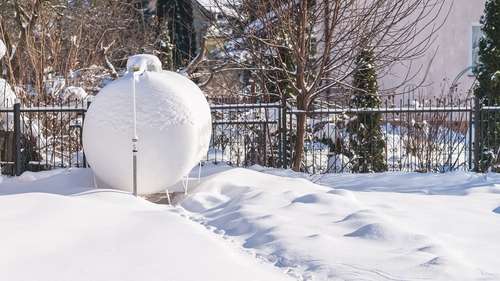
New YorkHave you ever noticed that right after your New York propane supplier delivered your fuel, they didn’t fill your propane tank all the way up to the 100% level?
Don’t worry. Your propane supplier is not doing anything wrong. Quite the contrary. They’re looking after you by following what’s known in the industry as the “80/20 rule.” This rule is followed for a very important reason: safety.

Propane: From Liquid to Gas

The propane in your tank is stored as a liquid. The liquid changes into gas before it leaves the tank. That’s why it’s called liquid petroleum gas (LPG).

Like any liquid, propane will expand when its temperature rises. The difference with propane is that it expands a lot, and quickly. Its volume increases nearly 17 times the volume of water over the same increase in temperature.

This is why your propane delivery driver needs to leave extra space in your tank. This enables propane to safely expand. Aboveground propane tanks are typically filled to about 80% capacity; underground tanks can be filled slightly higher because they are insulated against the heat.

That extra space in the tank provides a cushion against the pressure that builds up inside the tank. For example, a 500-gallon tank filled to 80% will safely hold 400 gallons of propane.

This safeguard is especially important in hot weather—when liquid propane expands the most. It’s important to note that the amount of gas in the tank doesn’t change during periods of expansion and contraction–only its density does. For example, if you notice that the tank gauge reading fluctuates slightly during quick temperature swings (hot day, cool night), again, don’t worry because that’s perfectly normal.

Propane gas expansion is also a reason why you should never paint your outdoor propane tank a dark color. This is because dark colors absorb more heat.

Preventing Propane Tank Runouts

Life can get busy with work, family and other obligations. And sometimes, you might forget to go outside and check your tank gauge to see how much propane is in your tank. If the reading is 30% or less, you know it’s time to call your New York propane supplier to schedule a delivery.

If you forget to check your tank, however, you risk running low or completely running out of propane. That means the expense and hassle of an emergency propane delivery. And if you run out of propane, you also need a propane professional to perform a required pressure test on your propane system and relight the pilots on all your appliances. That’s another expense.

Many of New York’s propane companies offer a solution with their automatic delivery service, which relies on your customer history and the current weather to estimate your propane usage. Then they deliver more fuel before you run low. Some companies even offer propane tank monitoring. Tank monitors use wireless and cellular technology to send real-time data about your propane levels. Your company will know precisely when you need fuel, and you can often watch your own tank with a wireless app.

If your propane company doesn’t offer automatic delivery, or if you prefer the control of always calling in your order, you need to be vigilant about monitoring your propane tank gauge levels and request a delivery when your tank is between 25% and 30% full. While your propane dealer may be able to make a delivery within a day in case of an emergency, it is always best to provide a few days’ notice. This advance notice is necessary for scheduling your home into a propane company’s delivery route.

Please check with your propane company to find out what services and options they offer.

What Maintenance Does a Water Heater Need?

What Maintenance Does a Water Heater Need?

Proper Maintenance Saves You Money

water heater New York How long can you depend on your current water heating system to keep all your hot water flowing without any problems?

The life span of the most common water heater—units with a storage tank—can vary greatly, anywhere from 7 to 13 years. (Tankless, on-demand propane water heating units last much longer because water is not constantly sitting in a tank being heated).

How long your storage tank water heater lasts depends on multiple factors, including the temperature of the water that is set for the tank, the volume of water used, the overall quality of the water heater model and the water quality.

In terms of water quality. many people around the country must contend with “hard water,” which means their domestic water has a high amount of mineral content. In New York, our water is considered moderately hard. Manufacturers usually recommend that you flush your water heater on a yearly basis to remove any mineral particles, dirt or debris that has collected inside your tank. This will improve water heater efficiency and extend the life of your water heater.

To head off any problems with your water heater, it’s a wise idea to call on an experienced propane service technician, HVAC contractor or plumber to flush out your hot water storage tank once a year. Your service professional should also check the condition of the anode rod, which generally lasts from 3-5 years.

What Is an Anode Rod?

Storage tank water heaters contain many parts and components, including a long metal anode rod, which extends the life of your water heater by preventing corrosion from building up inside your tank.

Usually made of magnesium or aluminum, the anode rod does its job through a process called electrolysis. The metals in the anode rod attract ions that normally would cause rust in iron and steel. But instead, these ions latch onto the anode rod and as a result, cause it to degrade over time. Without the anode rod, your water heater could rust out in just a few years. That’s why it’s important to replace the anode rod after it degrades.

In general, all storage tank water heaters have an anode rod, regardless of fuel type. The one exception is if you have a stainless-steel tank, which is immune from corrosion.

Tankless Water Heater Maintenance

While propane gas tankless water heaters don’t require anode rods, they do need some periodic maintenance to keep them running properly. Besides an annual flushing, it is recommended that the air filter and water filter be cleaned.

Read more about water heater maintenance for your tankless propane unit.

Propane Water Heaters

If you’re looking to upgrade your water heating system, propane is the way to go! Propane provides more hot water faster, with better energy efficiency than other options.

Propane water heaters also take up less space, have more accurate temperature adjustment and offer more size and installation options.

NY Rebates for Propane Water Heaters

As you consider your water heating requirements, or if you need some help figuring out what’s most important, get in touch with your New York propane service company. They’ll be glad to walk you through the process and help you get a better understanding of your household’s hot water needs. They can also tell you all about current New York rebates that will help you save money on a propane water heater as well as other propane heating equipment.

It’s important to note that when you want to install propane-powered equipment, it’s essential that you bring in a licensed technician. Propane equipment is extremely safe when installed properly. But as with all energy sources, improper installation can be dangerous. Certified propane technicians have the training, experience, and tools to do the job quickly, correctly and safely.

This is largely because of the Certified Employee Training Program (CETP), which is run under the direction of the Propane Education & Research Council. What’s more, you can only take advantage of available equipment rebates if your installation is inspected for safety with a Gas Check®.

Please speak to your propane appliance provider about this inspection.