How Propane Powers New York Homes and Businesses

How Propane Powers New York Homes and Businesses

Propane’s Journey from the Ground to Your Tank

Propane has come a long way from a scientific discovery to becoming one of the most dependable energy sources for homes and businesses across New York.

The story typically begins in 1910, when American chemist Walter O. Snelling was studying gasoline evaporation and discovered that certain gases could be condensed into liquid form. Among them, propane was the most abundant and most useful.

Snelling developed a way to bottle this liquified gas, which made transportation and storage practical. That innovation helped launch the propane industry. Many people still call propane “bottled gas,” although its formal name is Liquified Petroleum Gas, or LPG.

Since then, scientists and energy professionals have continually improved the way propane is produced and delivered. Today, propane is reliable, efficient, widely accessible, and an important fuel in New York households, farms, construction sites, restaurants, waterfront marinas, and businesses across the state. There are two primary ways propane is produced.

Propane from Crude Oil Refining

One source of propane is crude oil refining. When crude oil is processed, it is separated into many different products such as gasoline, diesel, kerosene, jet fuel, heating oil, and propane.

During the stabilization stage of refining, heavier hydrocarbons settle toward the bottom while lighter hydrocarbons, like propane, rise toward the top. From there, propane can be captured and separated for safe storage and transport.

This part of the industry is important, but it is not the largest source of propane used in the United States today.

Propane from Natural Gas Production

Most propane today comes from natural gas processing. When natural gas is removed from underground reserves, it holds a mix of gases. Propane is one of them. During processing, propane is separated to help prevent condensation in pipelines. Butane is also removed at the same time.

Because propane is far denser as a liquid, it is stored and transported in liquid form, which makes it efficient to move throughout the country. Since propane is produced through domestic natural gas and crude oil processes, it is largely a homegrown American fuel. In fact, roughly 90% of the propane used in the United States is produced here.

For New Yorkers, that matters. Whether you are warming a home in the Adirondacks, fueling a commercial kitchen in Buffalo, or powering farm equipment in Central New York, propane offers peace of mind all year.

Propane’s Future: Renewable and Lower Carbon

Looking ahead, renewable propane is poised to become an important part of America’s cleaner energy future. Renewable propane is chemically identical to conventional propane, so New York homeowners and businesses will not need to replace or change existing propane appliances or heating systems.

Renewable propane is created from bio-based and renewable resources such as vegetable oils, animal fats, and other biomass materials. Because of its production sources, it has a lower carbon intensity than conventional propane. As renewable propane becomes more widely available, it can help reduce greenhouse gas emissions across the country, including right here in New York communities where sustainability goals continue to grow.

Although renewable propane is still fairly new and not yet mainstream, it is already part of ongoing discussions about cleaner energy solutions for homes, businesses, transportation, and industry.

Propane and the Environment

Propane is recognized as a clean-burning energy source that helps reduce environmental impact. It was officially named an alternative fuel in both the 1990 Clean Air Act and the 1992 National Energy Policy. In the unlikely event of a leak, propane does not harm soil, water, aquatic environments, or plant life.

Modern propane heating systems, water heaters, and appliances boast excellent efficiency ratings. That efficiency helps New York families lower energy use while maintaining comfort through cold winters. Fewer emissions, strong efficiency, reliable performance, and wide versatility make propane an appealing energy choice for homes, businesses, agriculture, and commercial operations across the state.

To sum up, propane is one of the safest, most efficient, and most versatile energy sources available today. Whether you live in the city, on the coast, in the suburbs, or in the mountains of Upstate New York, propane delivers dependable comfort and performance in every season.
Leave Gas Appliance Repairs to the Pros

Leave Gas Appliance Repairs to the Pros

Trust the Experts: Don’t DIY Propane Repairs

Propane is one of the safest and most reliable fuels used in New York homes today. Its strong safety track record is a point of pride across the industry. But even with propane’s reliability, one thing stays true: propane appliance repairs are not a do-it-yourself job.

It’s easy to look at DIY videos or follow a home-repair influencer online and think, “I can probably fix that myself and avoid a repair bill.” But propane systems are far more complex than they appear on a screen. The dangers aren’t always visible, and without professional training, the risks can be impossible to spot.

Think about your propane appliances, whether it’s your furnace, water heater, stove, dryer, or fireplace. These systems are major investments in your home’s comfort, particularly with New York’s unpredictable weather. One day it’s sixty degrees outside, the next day a cold snap moves in from Canada. You depend on these appliances to work safely and efficiently.

A DIY repair gone wrong can turn a simple issue into a costly problem. In some cases, it may even damage the appliance beyond repair. Worse yet, tinkering with the equipment could nullify your manufacturer’s warranty, leaving you responsible for the full replacement cost. Most importantly, mistakes involving propane can put your family and your home in harm’s way.

The reality is that propane appliance repairs come with unique challenges that require specialized training, equipment, and experience. Certified propane technicians go through the Certified Employee Training Program (CETP), a nationally recognized curriculum created by the Propane Education & Research Council (PERC). These technicians don’t just learn the basics. They master system diagnostics, appliance installation standards, fuel-handling protocols, and emergency procedures.

Their training doesn’t stop there. Professional propane technicians stay sharp through:

  • ongoing safety seminars
  • firsthand demonstrations from appliance manufacturers
  • continued education required by insurance and safety organizations

This ensures that every certified technician servicing your New York home is up to date on the latest technology and safety practices.

So, the next time your gas logs won’t light, your furnace is acting up, or your water heater suddenly stops producing hot water, don’t search for a wrench—reach for your phone and call a local propane professional who knows how to handle it safely.

Follow Manufacturer Guidelines for Maintenance

Repairs aren’t the only time to rely on the experts. Preventive maintenance is the easiest and most effective way to protect your propane appliances—and your investment.

Every appliance comes with a manufacturer’s maintenance schedule. It tells you what needs to be checked, cleaned, or replaced, and how often. Most New Yorkers never look at that manual after the day the appliance is installed, but it holds important guidance that helps keep your equipment running safely.

Can’t find the manual buried in a drawer somewhere? No problem. Most can be found online with a quick search. After that, your propane service provider can take care of the inspections, tune-ups, and safety checks needed to keep everything running smoothly year-round.

Three Other Propane Safety Tips

1. Watch your flame color. A healthy propane flame should burn blue. If you notice yellow or orange flames—or see excessive soot—that’s a sign of incomplete combustion. This can create carbon monoxide, an odorless and dangerous gas. Turn off the appliance and contact your propane company or HVAC contractor at once.

2. Keep outdoor vents clear. Birds, insects, and small critters in New York have a habit of building nests inside vent pipes. This can block airflow and trap combustion gases indoors. Check vents periodically to ensure they’re clear. A broom or soft brush can remove simple debris, but when in doubt, have a professional inspect your venting system.

3. Know what propane smells like. Propane has a strong “rotten egg” odor added to help detect leaks. Make sure everyone in your home knows what that smell means and what to do if they detect it. If anyone in your home has difficulty smelling odors, consider installing propane gas detectors for added protection.

Read more safety tips for propane.

Propane Gas Boiler FAQs

Propane Gas Boiler FAQs

Efficient, Reliable Home Heating for New York Homeowners

If your New York home uses a propane gas boiler for heat, you’re already enjoying one of the most reliable and comfortable ways to stay warm. But not all boilers are the same — and understanding how they work can help you make smart decisions about maintenance, upgrades, and efficiency.

How Does a Propane Gas Boiler Work?

There are two main types of propane boilers found in New York homes: steam boilers and hot water (hydronic) boilers.
Steam boilers, more common in older homes, run by heating water to 212°F to produce steam, which then travels through pipes to radiators. Because of the high temperatures involved, steam systems require careful monitoring and regular maintenance.

Hot water boilers, on the other hand, don’t need to bring water to a boil. Instead, they heat water and circulate it through a closed system of pipes using pumps. The heated water moves through radiators or baseboard units, releasing warmth evenly throughout your home.

This type of heating system, often called a hydronic heating system, is known for its steady, comfortable heat and energy efficiency. Here’s a quick look at the main components of a propane gas boiler system:

  • Burner: Where propane is ignited to create heat.
  • Heat exchanger: Transfers heat from the burning propane to the water without allowing the two to mix.
  • Circulator pump: Moves the heated water through the system (steam boilers don’t need these, since steam rises naturally). A boiler needs only one primary circulator pump to circulate hot water throughout the heating system, although some larger or more complex systems may have more pumps for specific zones or an indirect water heater.
  • Piping: Carries hot water or steam to radiators, then returns cooled water to the boiler for reheating.

Older boilers can lose as much as 30% of their heat energy through exhaust gases, meaning a lot of the fuel you pay for never reaches your living space. That’s why many homeowners are upgrading to more efficient models that capture and reuse more of that heat.

Is a Boiler a Good Way to Heat My Home?

Absolutely. Many homeowners prefer hot water heating systems over forced-air furnaces because they deliver even, comfortable warmth without drying out the air.

A hydronic heating system can also serve a dual purpose — providing both home heating and domestic hot water. With an indirect water heater connected to your boiler, you get efficient, on-demand hot water for showers, laundry, and more.

What Is a Condensing Gas Boiler?

If you’re looking for maximum efficiency, consider upgrading to a condensing propane gas boiler. These advanced systems capture heat that would otherwise escape through the exhaust and reuse it to preheat the incoming water.

By recycling this energy and running at lower temperatures, condensing boilers can be 10–15% more efficient than standard models.

However, they’re not ideal for every home. Condensing boilers cost more to manufacture and install, and they need professional setup by trained technicians who understand how to optimize their performance. Still, in many cases, the long-term savings on energy bills make the investment worthwhile.

When Should I Replace My Boiler?

Most boilers last 20–25 years when properly maintained. But if your system is older, you may be spending more than you need to on fuel.
Here are telltale signs it’s time for an upgrade:

  • Your energy bills keep climbing even though your usage hasn’t changed.
  • You’ve had multiple repairs in recent years.
  • You see visible corrosion or water leaks.
  • Your system struggles to heat your home evenly.

A modern propane gas boiler can deliver significant savings in both energy and maintenance costs — while improving your home comfort and reliability.

New York Rebates for Propane Gas Boilers

If you’re ready to replace your older system, your local New York propane service company can help. Many offer expert installation services and can walk you through available state rebates and incentives for high-efficiency propane equipment.

When installing propane appliances, always rely on a licensed propane technician. Proper installation ensures safety, peak performance, and eligibility for rebates.

All certified propane professionals complete the Certified Employee Training Program (CETP), overseen by the Propane Education & Research Council (PERC). In addition, most rebate programs require a safety inspection to confirm that your new system meets all safety standards.

By choosing qualified professionals and upgrading to a high-efficiency propane gas boiler, you can enjoy years of reliable comfort — and lower energy costs — throughout our long New York winters.

How Does a Gas Furnace Work?

How Does a Gas Furnace Work?

Benefits of Propane Gas Furnaces in New York

When winter weather settles over New York, nothing feels better than stepping into a warm, comfortable home. For many families, a propane gas furnace is the heart of that comfort. Today’s propane furnaces are not only powerful and reliable but also far more energy-efficient than the older models many homeowners still use. Upgrading to a modern furnace can dramatically lower your energy bills while keeping your home cozy all season long.
But how exactly does a propane gas furnace work? And why do today’s high-efficiency models no longer rely on the old-fashioned pilot light? Understanding the answers will give you peace of mind, help you make smart decisions when it’s time for an upgrade, and make conversations with your propane technician much easier if a repair is ever needed.

Understanding How a Furnace Works

A furnace is sometimes called a warm-air or forced-air system. Its job is simple: to generate heat and distribute it evenly throughout your home. Furnaces can run on propane, natural gas, electricity, or heating oil, but the process is similar across all fuel types.

Here’s what happens inside a propane gas furnace:

  • Fuel combustion: Propane mixes with air and burns inside the combustion chamber.
  • Heat transfer: The heat exchanger absorbs the warmth created by combustion.
  • Air circulation: A powerful blower fan pushes air across the heat exchanger, warming it before moving it into your ductwork.
  • Distribution: Warm air flows through ducts and exits through vents or registers in different rooms.
  • Exhaust removal: Combustion gases are safely vented outside your home through a flue pipe or chimney.

This cycle repeats whenever your thermostat calls for heat, keeping your entire home at a steady, comfortable temperature.

Furnaces Mean Versatility

One of the biggest advantages of a furnace system is its versatility. The same ductwork that delivers warm air in the winter can also carry cooled or conditioned air during other times of the year. Plus, with the right add-ons, your furnace can also support:

  • A whole-house humidifier to keep dry winter air from irritating your skin and sinuses
  • An air purifier or cleaning system that filters out dust, pollen, and other allergens

In other words, your furnace can be the hub of your home’s indoor air comfort—not just a heater.

Old Furnaces vs. New Furnaces

Technology has advanced dramatically over the past few decades. Older furnaces worked, but they wasted a lot of energy in the process. By contrast, modern propane furnaces:

  • Use insulated flue pipes to reduce heat loss
  • Feature multi-stage burners and variable-speed fans for precision heating
  • Have microprocessor-based controls for better performance and efficiency
  • Include options like condensing furnaces, which use a secondary heat exchanger to pull extra heat from exhaust gases before they’re vented out

The result is a quieter, more efficient, and more cost-effective heating system.

Why Old Furnaces Needed Pilot Lights

If you grew up in a home with an older gas furnace, you might remember the pilot light—a small blue flame that burned continuously. While it worked, it came with drawbacks:

  • Reliability issues: Drafts, dirt, or a faulty thermocouple could cause the pilot light to go out, shutting down the furnace unexpectedly.
  • Energy waste: Because the flame had to stay lit 24/7, it constantly burned a small amount of propane. Over a winter season, that added up.
  • Safety risks: A malfunctioning pilot light could burn inefficiently, potentially releasing small amounts of carbon monoxide.

Modern Furnaces Use Electronic Ignition

Today’s furnaces are designed without these problems thanks to electronic ignition systems.

Most models use a hot surface igniter—a small electronic device that heats up when your thermostat signals for heat. Once it’s hot enough, it ignites the burners and then shuts off.

Another system, called intermittent ignition, uses a small flame to light the burners only when needed. An electronic spark creates the flame at the start of each heating cycle, and it shuts off afterward, saving fuel.

Both systems are safer, more efficient, and more reliable than old pilot lights.

Rebates and Professional Installation in New York

If your furnace is more than 15-20 years old, replacing it with a modern propane gas model can deliver major energy savings. And here’s more good news: homeowners in New York may qualify for rebates and incentives that make upgrading even more affordable.

Before you install, remember propane equipment must always be handled by licensed professionals. Certified propane technicians have specialized training through the Certified Employee Training Program (CETP), which ensures safe and correct installation. In addition, many rebate programs require a Gas Check® safety inspection after installation.

By working with your New York propane company, you’ll get expert guidance, maximize available savings, and enjoy the peace of mind that comes from knowing your furnace was installed safely and properly.

Remember, a propane gas furnace is one of the most efficient and reliable ways to keep your home warm through a long New York winter. Modern systems don’t just heat your house, they deliver cleaner air, lower energy bills, and greater comfort. And thanks to electronic ignition, you can say goodbye to the old pilot light for good.

If you’re ready to upgrade, talk with your local propane company. With professional installation, available rebates, and today’s advanced technology, there’s never been a better time to invest in a new propane gas furnace.

Propane and Your New York Home

Propane and Your New York Home

How Many Ways Are You Using This Versatile Fuel?

Propane isn’t just a fuel—it’s a game-changer for comfort, convenience, and savings in your New York home. From heating your entire house to powering your backyard grill, propane is one of the most versatile and efficient energy sources available.
Think beyond your furnace or boiler: propane can fuel fireplaces, clothes dryers, outdoor heaters, water heaters, generators, and more. Because propane burns hot and clean, it delivers efficiency ratings well into the 90% range. That means lower energy bills, less waste, and greater comfort all year long.

Let’s take a closer look at the many ways propane can benefit you and your home—inside and out.

Cozy Home Heating with Propane

New Yorkers have options when it comes to propane heating. Central furnaces, wall furnaces, and combo-heaters all deliver powerful warmth while fitting into almost any space.

Today’s propane furnaces use electronic ignition. That means lower fuel bills and no standing pilot lights wasting energy.

Propane boilers are just as impressive. Many models achieve 90%+ AFUE ratings, so nearly every gallon of fuel you pay for goes directly into heating your home instead of disappearing up the chimney. Plus, modern designs use outside air for combustion, improving efficiency while protecting your indoor air quality.

Endless Hot Water with Propane

Water heating makes up about 20% of your home’s energy costs, so efficiency matters. Propane fuels some of the best-performing water heaters on the market.

  • Traditional storage tank water heaters offer reliable hot water at a lower upfront cost.
  • Tankless water heaters provide hot water on demand, virtually never running out—perfect for big families or homes with multiple bathrooms.

Either way, propane helps you spend less while enjoying more comfort.

Propane Clothes Dryers: Faster, Smarter Laundry

Propane dryers don’t just save energy—they save you time. They dry clothes quickly and often come loaded with smart features like steam cycles (goodbye wrinkles!), drum lights, and easy-to-use LCD controls. Laundry day just gets a whole lot easier with propane.

Instant Ambiance with a Propane Fireplace

Want the warmth and charm of a fireplace without the hassle? Propane fireplaces deliver roaring flames at the push of a button—no logs, no ash, no waiting. Even better, many propane hearth products boast efficiency ratings of over 90%, so you can stay cozy while keeping emissions low and indoor air clean.

Cook Like a Pro with Propane

Ask any chef—gas cooking is the gold standard. With a propane stove or cooktop, you’ll enjoy precise temperature control and faster heat response.

Be Ready with a Propane Generator

In New York, power outages can strike at any time of year. A whole-house propane generator keeps your home running without missing a beat—heating, cooling, refrigeration, lighting, security systems, medical equipment, sump pumps, and more.

Propane in the Backyard

Propane’s benefits don’t stop at the back door. Transform your yard with:

  • Patio heaters for chilly evenings
  • Pool heaters for longer swim seasons
  • Firepits and outdoor fireplaces for ambiance
  • Outdoor lighting for charm and safety
  • And of course, propane grills, whether portable or built-in—make every cookout cleaner and faster.

Save with NY Propane Rebates

Thinking about upgrading your home with propane appliances? Now’s the time. You can lock in rebates on new propane equipment, helping you save right away.

Just remember safe installation matters. Always hire a licensed propane technician. Certified professionals are trained through the Certified Employee Training Program (CETP) and can ensure your system meets safety standards. It’s important to note you can only take advantage of available rebates if your installation is inspected for safety with a Gas Check®.

Please reach out to your New York propane company for advice.

Tips for Your Propane Water Heater

Tips for Your Propane Water Heater

Extend Water Heater Life with Maintenance

We don’t have to tell you that a water heater that works properly plays a significant role in your home’s overall comfort and energy efficiency. An inefficient, malfunctioning water heater can lead to higher energy bills and decreased performance, affecting your wallet and your peace of mind.
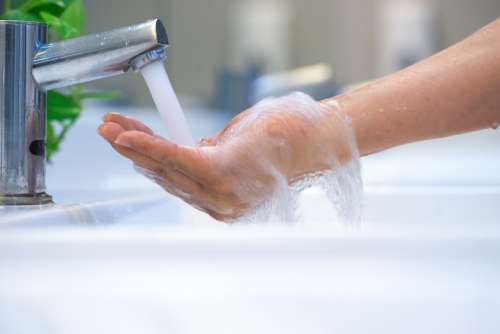
Bottom line: keeping your home’s water heater in good condition and running properly is essential.

Now that we’ve reminded you what an important role a properly functioning water heater plays in your comfort, let’s look at the reasons why a propane water heater is such a smart investment.

Propane Water Heater Benefits

When it comes to heating water, New York homeowners have multiple options. Each has its advantages, but propane water heaters often stand out for efficiency.

Propane water heaters typically heat water quickly. This means less waiting for hot water and more immediate comfort. Propane water heaters are known for their energy efficiency. They can save you money on your energy bills by using less fuel to heat water. This efficiency is not only good for your wallet but also beneficial for the environment.

How Long Does a Water Heater Last?

The life span of the most common water heater—units with a storage tank—can vary greatly, anywhere from 7 to 13 years. How long your water storage tank lasts will depend on such factors as:

  • the temperature of the water you set for the tank
  • the volume of water used
  • the overall quality of water heater model
  • water quality (amount of mineral content)

Note: the overall quality of water in New York State is considered “moderately hard.”

To head off any problems, especially if you have hard water, it’s a wise idea to have an experienced service technician flush out your hot water storage tank once a year. This procedure will remove sediment that has accumulated at the bottom of the tank. This sediment is caused by the build-up of minerals. The technician can also check the condition of the anode rod, which generally lasts from 3–5 years.

What an Anode Rod Does

Tank water heaters have multiple parts and components, including a long metal anode rod, which extends the life of your water heater by preventing corrosion from building up inside your tank. This is the unsung “hero” of your water heater.

Usually made of magnesium or aluminum, the anode rod does its job through a process called electrolysis. The metals in the anode rod attract ions that normally would cause rust in iron and steel. But instead, these ions latch on to the anode rod and as a result cause it to degrade over time. Without the anode rod, your water heater could rust out in just a couple of years! That’s why it’s so important to replace the anode rod after it degrades.

Types of Propane Water Heaters

The most common type of propane water heater is a unit that has a dedicated burner inside to heat water that is stored in a tank. As you use the water in the tank, the supply of hot water is constantly replenished.

However, more New York homeowners are opting to install a tankless propane water heater when it’s time to replace their direct-fired unit. (If you have a tankless water heater, you do not have to worry about getting the anode rod checked because it doesn’t need one).

A tankless water heater needs less space in the home and provides a virtually endless supply of hot water on demand. Tankless water heaters are also more energy-efficient and have a longer life than storage tank water heaters.

As you consider your water heating requirements, or if you need some help figuring out what’s most important, get in touch with your New York propane service company. They’ll be glad to walk you through the process and help you get a better understanding of your household’s hot water needs. They can also tell you all about current New York rebates that will help you save money on a propane water heater as well as other propane heating equipment.

How Much Propane Does a Tankless Water Heater Use?

How Much Propane Does a Tankless Water Heater Use?

Comparing Usage with Other Propane Appliances

If you’re looking to replace your home’s water heater, the best time to do it is before your water heater fails, which will force you into “panic-buying” a replacement system quickly.
When you have the time to shop around, you’ll discover the great value and convenience of propane tankless water heaters. These types of units offer advantages over conventional storage tank water heaters.

Tankless Water Heater and Propane Usage

One question that New Yorkers commonly ask is: how much propane does a propane tankless water heater use? The short answer to that question is that a typical propane tankless water heater producing 40,000 BTU/hour will consume about 1.5 gallons of propane per day. Here’s the explanation behind this calculation.

First, because we know how much heat energy is in a gallon of propane– one gallon of propane equals 91,452 Btus–we can make estimates about how much the average homeowner will use.

However, the amount of propane your own appliances will use—including your propane tankless water heater– depends on factors ranging from the size and efficiency of each appliance to how well it was matched to your space, as well as the quality of the installation and the frequency of maintenance.

Propane Tankless Water Heater Savings

By heating water only when you need it, ENERGY STAR certified tankless water heaters save a family of four about $95 per year, or $1,800 over its lifetime, on gas bills compared to a standard gas storage model.

Tankless water heaters also have a life expectancy of 20 years, much longer than any conventional tank-type water heater. And with a tankless model, the risk of tank leaks and water damage is a thing of the past.

According to the U.S. Department of Energy, in homes that use 41 gallons or less of hot water daily, on-demand tankless water heaters can be 24%–34% more energy efficient than conventional storage tank water heaters. They can be 8%–14% more energy efficient for homes that use a lot of hot water — around 86 gallons per day.

What Size Tankless Water Heater Is Best for My Home?

Unlike a traditional water heater, there is no hot water recovery rate with a tankless system. That’s because there is no tank of hot water to replenish. Instead, there is a flow rate. Your New York propane company will determine what product is best for you by looking at the temperature of the water coming into the unit and the peak flow demand for your home (how much hot water you would need from the various hot water products in your home).

Your propane company can then choose the best water heater for your home’s peak needs. Once this tankless water heater is in place, you can enjoy virtually endless hot water. You won’t need to worry about getting a cold shower because the washing machine has just turned on in the laundry room.

How Much Propane Do My Other Gas Appliances Use?

Now that you know tankless water heaters on average use 1.5 gallons of propane per day, you may be wondering how your other propane appliances compare. The following estimates below should give you an idea of what each propane appliance typically uses to do its job.

Please note that these appliance measurements are expressed as BTU per hour. This is a way to show a measurement of deliverable power applicable to each propane gas appliance. (Think of it like the horsepower rating of a car). Read more about BTU per hour.

  • Fireplace with ceramic logs – 26,000 BTU/hour: 1 gallon / 3 hours
  • Gas cooktop/range – 65,000 BTU/hour: 5 to 10 gallons / month
  • Gas clothes dryer – 35,000 BTU/hour: less than 1 gallon / day

NY Rebates for Propane Water Heaters

As you consider your water heating requirements, or if you need help figuring out what’s most important, get in touch with your New York propane service company. They’ll be glad to walk you through the process and help you get a better understanding of your household’s hot water needs. They can also tell you all about current New York rebates that will help you save money on a propane water heater as well as other propane heating equipment.

It’s important to note that when you want to install propane-powered equipment, it’s essential that you bring in a licensed technician. Propane equipment is extremely safe when installed properly. But as with all energy sources, improper installation can be dangerous. Certified propane technicians have the training, experience, and tools to do the job quickly, correctly, and safely.

This is largely because of the Certified Employee Training Program (CETP), which is run under the direction of the Propane Education & Research Council. What’s more, you can only take advantage of available equipment rebates if your installation is inspected for safety with a Gas Check®.

Please speak to your propane provider about this inspection.

How Does a Propane Backup Generator Work?

How Does a Propane Backup Generator Work?

Understanding Generator Size and Capacity

Nearly 34 million, or 1 in 4 U.S. households across the country, reported they were completely without power at least once in the 12 months before they were interviewed for the U.S. Census Bureau’s 2023 American Housing Survey.

Of these households, about 70%, or 23.6 million, reported at least one outage that lasted six hours or more. Main reasons for a power outage to occur include:

  • Natural causes like severe weather and falling trees.
  • Human errors, such as systems malfunctions, poor maintenance and car accidents involving electric power infrastructure.
  • Grid overload issues, such as high demand for electric power during heat waves.

Propane Generators Keep Your Power On

Whole-house propane generators have grown in use because they ensure your sump pump, home security systems, heating and cooling equipment and any needed medical devices will continue to run in case of a prolonged electrical power stoppage. A smaller, portable generator is much more limited in ability compared to a whole-house model.

However, people may wonder: “how do I pick the right generator system for my home?” Another common question is: “how much propane will my generator use?” If you’ve been considering buying a whole-house generator for your New York home, here is vital information for you.

How Does a Propane Generator Work?

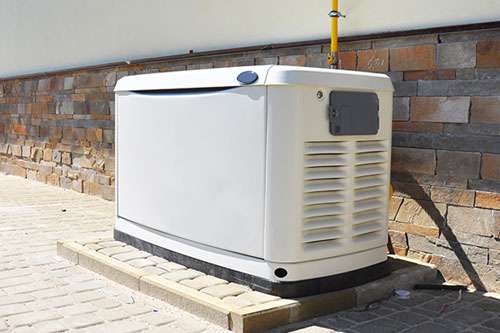
A whole-house propane generator is a permanent fixture found outside your home. It’s connected to your home’s electrical system with its own fuel source. Basically, it looks like an outdoor central air conditioning unit with a cap on it.

The generator is designed to start automatically when you lose power—usually only 10–30 seconds after an outage. After your power is restored, the generator will shut down. All this happens whether you’re at home or away.

Benefits of a Whole House Propane Generator

The biggest benefit to a whole house generator, of course, is that you’ll never be without power again! Being able to switch between the grid and generator power is a priceless convenience.

Imagine never having to suffer through the inconveniences of a power outage again – no more unexpected nights at a hotel or friend’s house, no more spoiled food, no more loss of TV, phone or computer service, no sweaty nights without your air conditioner or cold nights without heat, and no pipes bursting due to lack of heat in the house, to name just a few of the hassles—and costs—you have to deal with during an extended power outage.

Generator Size and Capacity: Choosing the Right One

The size of the generator you will need depends on two factors: the square footage of your home and what appliances you want to power during an outage. A good way to think about the “electric load” in your home is to break your usage down into two categories:

  1. Essentials: medical equipment, lights, refrigerator, sump pump, furnace fan, security system, TV/computers.
  2. High-wattage items: air conditioning, heating, clothes dryer, water heater, oven/stove.

Generators come in a range of sizes and prices; a small, easy-to-place 8-kilowatt (kW) unit, for example, can run power essentials such as lights, refrigerator, TV, and other small appliances. A large 25 kW commercial-grade generator, on the other hand, can easily run a heating or cooling system in addition to those smaller items.

How Much Propane Does a Generator Use?

Leading manufacturers say that a 22-kW generator would burn approximately two gallons per hour (gph) at a 50% electrical load and 3.6 gph at full load. A larger 38-kW unit would burn three gallons of propane per hour at half-load and 5.4 gph at full load.

This may sound confusing, but an experienced licensed electrician can help you with all these load calculations to ensure you choose a generator that can manage the desired emergency electrical power needs of your household.

Other key points to understand when researching generator fuel usage, in addition to a particular generator’s fuel consumption rate, are the characteristics of the fuel that powers that engine. One of the most important is that propane doesn’t degrade over time, which makes it an ideal stand-by power fuel.

To learn more about propane gas generators, please reach out to your New York propane company. They’ll be glad to give you expert advice. If they don’t install propane generators, they’ll most likely be able to refer you to a trusted contractor who does. And of course, they will be able to ensure you always have an adequate supply of propane to power your generator whenever you need it.

Tips for Safer Propane Grilling

Tips for Safer Propane Grilling

How to Handle a Grease Fire or Flare Up

Cooking, whether it’s inside or outside, always presents the potential of accidents and injuries because you’re dealing with high heat and hot flames. Letting your mind wander away from the task at hand for just a few seconds or panicking when something goes wrong could lead to bad consequences.

With that in mind, here are tips about what you should do if you ever have a grease fire or flare-up on your outdoor propane grill.

First and foremost, always be ready for an emergency. Near your grill, always keep these essentials: a fire extinguisher, insulated gloves and either baking soda or sand so you can quickly smother any fire that erupts while you’re grilling. Keeping a fire blanket nearby is another possibility.

What to Do about Flare-ups

Grill flare-ups are tall flames with a lot of smoke. These are quite common when grilling meats because of dripping fat, oil and marinades. To prevent your flare-up from turning into a full-fledged fire, do this:

  • Immediately move the food to a warming rack, using long-handled tongs.
  • Slowly replace the food and put it at the center of the grill to let fat burn off; continue this process for each item.
  • Once food has been returned to the grill, finish cooking with a watchful eye.

What to Do If You Have a Grill Fire

The problem with flare-ups is that these can spread quickly and easily turn into a full-blown fire. Here’s what to do if it looks like your flare-up has turned into something more serious.

  • Turn the grill off.
  • Remove the food and smother the flames by throwing baking soda or sand on top of the fire. NEVER use water to extinguish a grease fire. Throwing water on the fire can make the fire spread. There’s a reason for that old saying: “oil and water don’t mix.”
  • Close the lid and any grill vents to further starve the fire of oxygen.
  • If the propane tank has become part of the fire, or if the fire expands out of control, evacuate the area at once and call the fire department.

Avoiding a Grease Fire on Your Propane Grill

The best way to manage grease fires and flare-ups is to avoid them in the first place.

  • Clean your grill regularly, following instructions from your manufacturer. Regular cleaning will greatly reduce the risk of fire. Your food will taste better too!
  • Grease can pool in the firebox area around the burners. If it is safe to do so, turn off the gas and leave the lid open so the grease can burn off.
  • Always cook with the lid down and leave it down during cooking time.
  • Oil the food, not the grates.

How to Deep Clean Your Propane BBQ Grill

You should invest time to do a complete cleaning of your propane grill at least once a year—or more if you use your grill for a lot of your cooking. This will keep it running properly and safely. (About half of the injuries involving grills are thermal burns that could have been avoided.)

You don’t need any high-tech tools to do a complete job of cleaning a propane grill from top to bottom. All you need are a few basics: rubber gloves, aluminum foil, a grill brush, and a large bucket of hot and soapy water. Dish soap is recommended. Here’s what to do.

  • Make sure all the grill burners are off and that the dials are in the “OFF” position.
  • Turn off and disconnect the propane tank. If you’ve just finished grilling, wait until the grill is barely warm before doing this.
  • Take out the grease trap and turn it upside down over a trash can so it can drip.
  • Put on the rubber gloves and remove the grates as well as the burner protectors under them. Put the grates and burner protectors in the bucket of hot, soapy water for a good soak. Put the grease trap in as well.
  • Use aluminum foil to cover the burner tubes and other heating elements. Then thoroughly clean the underside of the hood and the inside walls. Wipe dry with paper towels.
  • Take the grates, burner protectors, and grease traps out of the bucket and clean those. Rinse well.
  • Take the foil off the burner tubes and gently wipe the tubes.
  • Carefully check burner holes with a toothpick to dislodge any clogs. Replace the burner covers, grates and grease trap.
  • Clean the grill exterior with a manufacturer-recommended cleaner.

Review more propane safety tips. https://www.propanenewyork.com/benefits-of-propane/propane-safety/

How Clean Is Propane?

How Clean Is Propane?

Propane Lowers Carbon Emissions in New Homes

Propane gas is a perfect choice for anyone who strives for environmental responsibility, as it is non-toxic and produces minimal emissions. Propane is also harmless to soil or groundwater – an important element for being considered an eco-friendly fuel.

Propane is also a low-carbon fuel that does not adversely contribute to the greenhouse effect. In fact, because of its lower greenhouse gas emissions, the US Environmental Protection Agency gave propane its stamp of approval as a clean-burning alternative fuel.

In one recent example, a 2024 propane construction research project has shown that homebuilders that installed propane-powered systems collectively recorded a reduction of carbon emissions of 35% per project. Plus, thousands of homeowners also experienced lower energy bills and enjoyed more comfort thanks to the power of propane.

To date, this propane research program has collected data from more than 5,300 homes across the country, which showed a reduction of more than 40 million pounds of carbon output. This is equivalent to an entire year of CO2 emissions from the energy needed to power 2,462 homes for a year.

“Builders across the country are proving that propane can produce high-performance and energy-efficient homes while maintaining affordability,” said Bryan Cordill, director of residential business development at PERC. “Year after year, this program shows propane’s ability to reduce emissions and how it will continue to support the growing consumer demand for sustainable housing.”*

Propane Moves Toward Renewable Energy

In the future, you can expect to hear more about renewable propane, which keeps the same low emissions and high efficiency benefits as conventional propane but has a much lower carbon intensity. While not in wide use yet, renewable propane production is rapidly increasing.

Here’s a look at some of the common materials used in the production of renewable propane gas:

  • Used cooking oils, animal fats and grease can all be used for clean, renewable energy. These waste products from restaurants all contribute to the production of biofuel.
  • Municipal waste like paper, plastic and other products provides a valuable resource to produce renewable propane and other renewable fuels. This production chain diverts billions of pounds of waste from landfills every year. Plus, recent research has resulted in a process for recycling plastic waste on a molecular level. And its end-product is propane!
  • Dead trees and woody biomass represent wildfire hazards, but disposing of large forest waste products can be challenging. Agricultural waste like leaves and stalks have little purpose for farmers. The good news is that researchers have made fantastic strides in extracting compounds to generate renewable fuel from these feedstocks.
  • Soybean oil and inedible corn oil are classic biofuel feedstocks. Both significantly contribute to renewable propane production and support American farmers in the process, all without sacrificing the food supply.
  • Other agricultural resources with potential in the renewable propane production pipeline continue to be explored. One promising resource is camelina sativa, which grows in otherwise fallow land, doesn’t need much water, matures quickly and is resistant to pests. Growing camelina requires few resources and will not displace food crops — and it’s another effective feedstock.

As the renewable propane sector grows, more and more people will be able to use it to lower their carbon footprint even further.

Renewable propane gas will also offer propane providers in New York greater opportunities to be involved in projects that require energy sources to be zero-carbon or as close as possible when it comes to emissions.

New York Rebates for Propane Heating Equipment

If you’re interested in getting a new propane gas furnace, propane boiler or propane water heater for your home, get in touch with your New York propane service company. They’ll be glad to tell you about current New York rebates that will help you save money on new propane heating equipment.

When you install any propane-powered equipment, it’s essential that you bring in a licensed propane technician. Propane equipment is extremely safe when installed properly. But as with all energy sources, improper installation can be dangerous. Certified propane technicians have the training, experience, and tools to do the job quickly, correctly, and safely.

This is largely because of the Certified Employee Training Program (CETP), which is run under the direction of the Propane Education & Research Council. What’s more, you can only take advantage of available rebates if your installation is inspected for safety with a Gas Check®. Please speak to your propane company about this inspection.

*Source:

https://bpnews.com/news/perc-research-program-shows-propane-can-reduce-homes-co2-output-35