
Leave Gas Appliance Repairs to the Pros
Trust the Experts: Don’t DIY Propane Repairs
Propane is one of the safest and most reliable fuels used in New York homes today. Its strong safety track record is a point of pride across the industry. But even with propane’s reliability, one thing stays true: propane appliance repairs are not a do-it-yourself job.
It’s easy to look at DIY videos or follow a home-repair influencer online and think, “I can probably fix that myself and avoid a repair bill.” But propane systems are far more complex than they appear on a screen. The dangers aren’t always visible, and without professional training, the risks can be impossible to spot.
Think about your propane appliances, whether it’s your furnace, water heater, stove, dryer, or fireplace. These systems are major investments in your home’s comfort, particularly with New York’s unpredictable weather. One day it’s sixty degrees outside, the next day a cold snap moves in from Canada. You depend on these appliances to work safely and efficiently.
A DIY repair gone wrong can turn a simple issue into a costly problem. In some cases, it may even damage the appliance beyond repair. Worse yet, tinkering with the equipment could nullify your manufacturer’s warranty, leaving you responsible for the full replacement cost. Most importantly, mistakes involving propane can put your family and your home in harm’s way.
The reality is that propane appliance repairs come with unique challenges that require specialized training, equipment, and experience. Certified propane technicians go through the Certified Employee Training Program (CETP), a nationally recognized curriculum created by the Propane Education & Research Council (PERC). These technicians don’t just learn the basics. They master system diagnostics, appliance installation standards, fuel-handling protocols, and emergency procedures.
Their training doesn’t stop there. Professional propane technicians stay sharp through:
- ongoing safety seminars
- firsthand demonstrations from appliance manufacturers
- continued education required by insurance and safety organizations
This ensures that every certified technician servicing your New York home is up to date on the latest technology and safety practices.
So, the next time your gas logs won’t light, your furnace is acting up, or your water heater suddenly stops producing hot water, don’t search for a wrench—reach for your phone and call a local propane professional who knows how to handle it safely.
Follow Manufacturer Guidelines for Maintenance
Repairs aren’t the only time to rely on the experts. Preventive maintenance is the easiest and most effective way to protect your propane appliances—and your investment.
Every appliance comes with a manufacturer’s maintenance schedule. It tells you what needs to be checked, cleaned, or replaced, and how often. Most New Yorkers never look at that manual after the day the appliance is installed, but it holds important guidance that helps keep your equipment running safely.
Can’t find the manual buried in a drawer somewhere? No problem. Most can be found online with a quick search. After that, your propane service provider can take care of the inspections, tune-ups, and safety checks needed to keep everything running smoothly year-round.
Three Other Propane Safety Tips
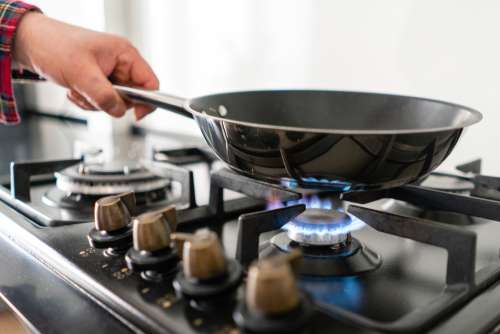
1. Watch your flame color. A healthy propane flame should burn blue. If you notice yellow or orange flames—or see excessive soot—that’s a sign of incomplete combustion. This can create carbon monoxide, an odorless and dangerous gas. Turn off the appliance and contact your propane company or HVAC contractor at once.
2. Keep outdoor vents clear. Birds, insects, and small critters in New York have a habit of building nests inside vent pipes. This can block airflow and trap combustion gases indoors. Check vents periodically to ensure they’re clear. A broom or soft brush can remove simple debris, but when in doubt, have a professional inspect your venting system.
3. Know what propane smells like. Propane has a strong “rotten egg” odor added to help detect leaks. Make sure everyone in your home knows what that smell means and what to do if they detect it. If anyone in your home has difficulty smelling odors, consider installing propane gas detectors for added protection.